

Safe Materials in Phone Cases – Why It Matters
Every parent faces the challenge of finding phone cases that protect their child’s device without exposing them to harmful chemicals. This concern is especially important for families in London who value both health and environmental responsibility. With UK regulations defining safe materials and requiring strict compliance, you can confidently select phone cases that meet these standards while supporting eco-friendly practices. Discover how choosing non-toxic and sustainable materials keeps your child safe while caring for the environment.
Table of Contents
- Safe Materials In Phone Cases Defined
- Toxic Risks In Conventional Case Materials
- Essential Uk Regulations And Safety Standards
- Non-Toxic And Eco-Friendly Material Options
- How To Identify Truly Safe Phone Cases
- Mistakes To Avoid And Trusted Uk Brands
Key Takeaways
| Point | Details |
|---|---|
| Safe Materials | Choose phone cases that comply with UK safety regulations and are free from harmful chemical compounds. |
| Toxic Risks | Avoid conventional materials like plastics that can leach toxic chemicals, particularly in products used by children. |
| Regulatory Compliance | Request material safety documentation to ensure manufacturers adhere to safety standards before purchasing. |
| Eco-Friendly Options | Opt for sustainable materials such as biodegradable polymers or recycled plastics that reduce environmental impact. |
Safe Materials in Phone Cases Defined
The safety of phone case materials is a critical consideration for environmentally conscious parents seeking protective solutions for their children’s devices. Phone case materials must comply with stringent regulatory standards to ensure user health and environmental protection. In the United Kingdom, manufacturers are required to meet specific chemical safety guidelines established by government regulations.
According to UK consumer product safety regulations, safe phone case materials must meet several key criteria:
- Be free from harmful chemical compounds
- Pass rigorous toxicity testing
- Demonstrate compliance with REACH regulations
- Provide technical documentation proving material safety
- Ensure traceability of material sourcing
The European Union and United Kingdom have established comprehensive frameworks to protect consumers from potentially dangerous materials. Chemical restrictions under REACH play a crucial role in defining what constitutes a safe phone case material. These regulations mandate that manufacturers thoroughly test and document the chemical composition of their products.
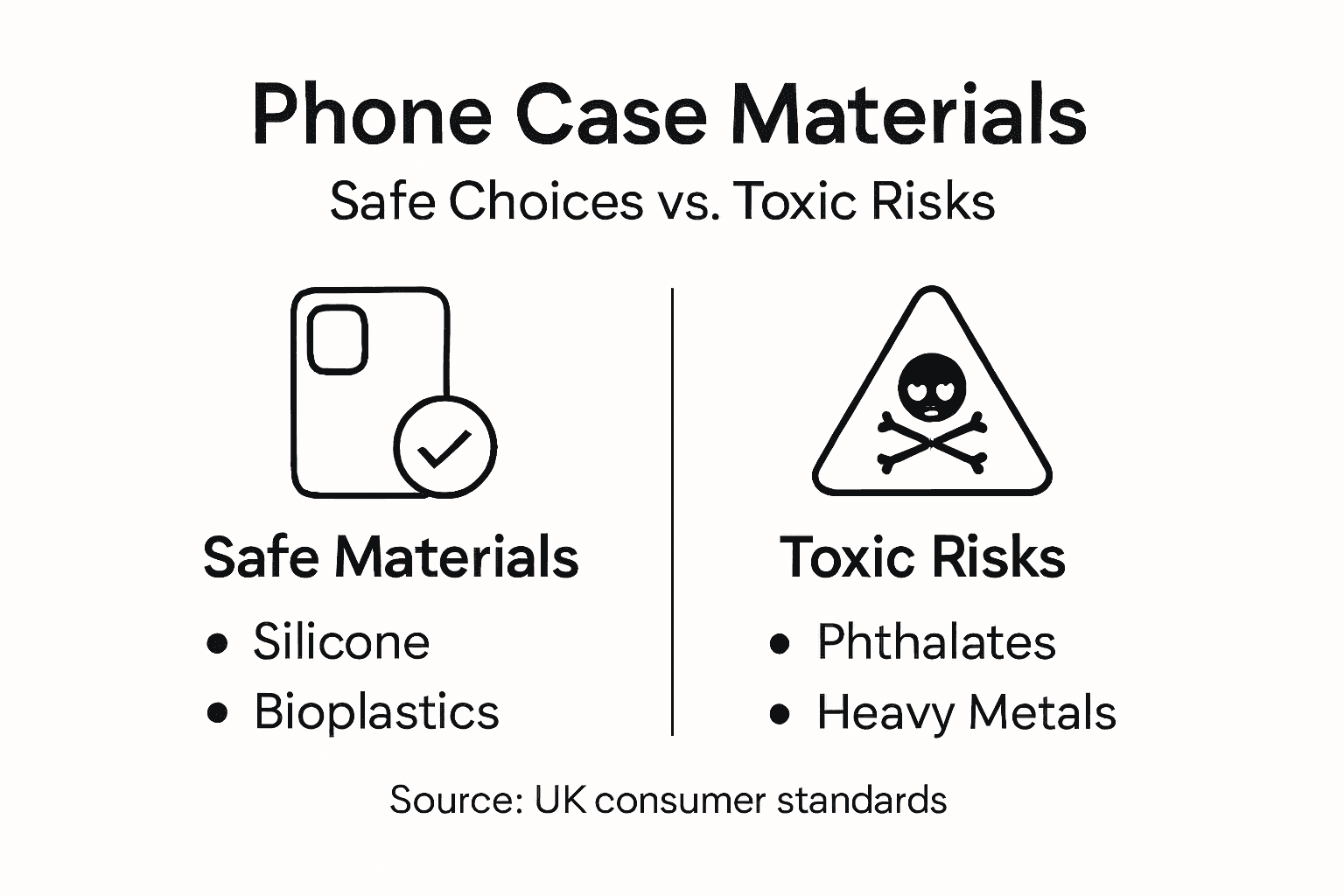
Key considerations for identifying safe phone case materials include examining the base polymers, understanding potential chemical interactions, and verifying manufacturing processes. Sustainable materials like recycled plastics, biodegradable polymers, and non-toxic silicone alternatives are increasingly becoming preferred options for environmentally conscious consumers.
Pro tip: Always request detailed material safety documentation from manufacturers before purchasing a phone case to ensure complete transparency and safety for your family.
Toxic Risks in Conventional Case Materials
Phone cases manufactured from conventional materials pose significant health risks that many consumers remain unaware of. Toxic chemical exposure through phone accessories has become an increasingly concerning issue for environmentally conscious families seeking to protect both their devices and personal wellbeing.
Research highlights several critical toxic risks associated with traditional phone case materials. Chemical migration risks demonstrate how hazardous substances can transfer from case materials directly into human contact. The most problematic toxic components include:
- Bisphenol A (BPA)
- Phthalates
- Flame retardant chemicals
- Heavy metal additives
- Volatile organic compounds (VOCs)
Persistent organic pollutants represent another significant concern in conventional phone case manufacturing. Toxic chemical restrictions under REACH regulations have identified numerous substances that can potentially leach from plastics and silicone materials, creating long-term health risks for users.

Parents should be particularly cautious about phone cases made from cheap, unregulated materials. Children’s prolonged contact with these cases increases potential exposure to harmful chemicals that could potentially disrupt hormonal systems, cause skin irritation, or lead to more serious long-term health complications.
To better understand the differences between conventional and eco-friendly phone case materials, review the comparison below:
| Material Type | Typical Chemicals Present | Health & Environmental Impact |
|---|---|---|
| Conventional Plastics | BPA, phthalates, heavy metals | Possible hormone disruption, pollution |
| Biodegradable Polymers | Natural fibres, plant-based | Reduced landfill waste, safer disposal |
| Non-Toxic Silicone | Medical-grade compounds | Minimal leaching, recyclable option |
| Recycled Plastics | Post-consumer resins | Lowers resource use, reduced toxins |
Pro tip: Always choose phone cases from manufacturers that provide transparent material safety documentation and explicitly state their compliance with UK chemical safety standards.
Essential UK Regulations and Safety Standards
Navigating the complex landscape of phone case safety regulations requires a comprehensive understanding of UK legal frameworks designed to protect consumers. Consumer product safety is a critical priority for British regulatory bodies, with specific guidelines governing the manufacturing and distribution of mobile accessories.
Product safety regulations in the United Kingdom establish rigorous standards that manufacturers must meet to legally sell phone cases. These regulations encompass multiple critical aspects of product design and safety:
- Chemical composition restrictions
- Mandatory traceability requirements
- Comprehensive testing protocols
- Explicit labelling standards
- Mandatory safety documentation
Regulatory compliance extends beyond simple material checks. UK safety frameworks specifically mandate that manufacturers demonstrate complete accountability for their products, including detailed documentation of chemical compositions, potential migration risks, and long-term safety assessments.
The Office for Product Safety and Standards plays a pivotal role in enforcing these regulations, ensuring that phone case manufacturers adhere to strict guidelines. Their oversight covers everything from initial product design to potential recall procedures, creating a comprehensive safety net for consumers seeking reliable mobile accessories.
Pro tip: Request official safety certification documentation from manufacturers to verify their compliance with UK product safety regulations before purchasing any phone case.
Non-Toxic and Eco-Friendly Material Options
Modern phone case manufacturing has witnessed a transformative shift towards sustainable and non-toxic materials that prioritise both environmental responsibility and user safety. Eco-conscious material design represents a critical evolution in mobile accessory production, addressing growing concerns about chemical exposure and ecological impact.
Material innovations for consumer safety have introduced several groundbreaking alternatives to traditional plastics. These environmentally responsible options include:
- Natural rubber composites
- Biodegradable polymer blends
- Recycled agricultural waste materials
- Plant-based silicone alternatives
- Organic cotton and hemp fabric reinforcements
Sustainable material technologies continue to emerge, with manufacturers increasingly focusing on non-toxic material components that meet stringent UK regulatory standards. These advanced materials not only reduce environmental footprint but also minimise potential health risks associated with conventional phone case manufacturing.
The transition towards eco-friendly materials represents more than a trend – it’s a fundamental reimagining of product design. By prioritising materials that are recyclable, biodegradable, and free from harmful chemicals, manufacturers are creating phone cases that protect both devices and the broader ecosystem.
Pro tip: When selecting a phone case, request detailed material composition information and look for certifications that validate its non-toxic and sustainable credentials.
How to Identify Truly Safe Phone Cases
Ensuring the safety of phone cases requires a strategic approach that goes beyond superficial marketing claims. Consumer safety verification demands a comprehensive understanding of material compliance and regulatory standards that protect families from potential chemical risks.
UK product safety regulations provide critical guidelines for identifying genuinely safe phone cases. Consumers should look for the following key indicators:
- Explicit REACH compliance documentation
- Clear chemical composition disclosure
- Manufacturer safety testing certificates
- Independent third-party material verification
- Transparent traceability information
- Detailed material migration risk assessments
Regulatory compliance markers offer crucial insights into a phone case’s safety profile. Material safety documentation serves as a critical tool for identifying truly non-toxic phone accessories. Environmentally conscious parents should investigate manufacturers’ commitment to comprehensive safety standards, examining not just the final product but the entire material sourcing and production process.
Beyond documentation, visual and tactile inspection can provide additional safety insights. Look for cases with clear labelling, minimal chemical odour, and manufacturers who voluntarily provide detailed material safety information beyond basic regulatory requirements.
Below is a summary of essential UK phone case safety documentation and its significance:
| Document Type | Purpose | Consumer Benefit |
|---|---|---|
| REACH Compliance Report | Verifies restriction of harmful chemicals | Assures safe chemical composition |
| Safety Data Sheet (SDS) | Details all material hazards and handling | Enables informed purchasing choice |
| Independent Lab Certificate | Confirms third-party material validation | Increases trust in safety claims |
| Traceability Statement | Documents sourcing and manufacturing chain | Ensures accountability and oversight |
Pro tip: Request a complete material safety data sheet from the manufacturer and cross-reference it with UK regulatory compliance standards before purchasing any phone case.
Mistakes to Avoid and Trusted UK Brands
Navigating the complex world of phone case safety requires vigilance and a critical eye towards potential risks. Consumer protection demands understanding common pitfalls that can compromise device and user safety.
UK safety compliance standards highlight several critical mistakes consumers frequently make when selecting phone cases:
- Purchasing from unregulated online marketplaces
- Ignoring material composition documentation
- Choosing cases solely based on price
- Overlooking manufacturer certification
- Failing to verify chemical compliance
- Disregarding independent safety testing results
Consumer safety strategies play a crucial role in mitigating risks. Intrinsically safe smartphone cases represent an emerging category of highly regulated accessories designed to meet stringent UK safety standards. These specialised cases undergo comprehensive testing to ensure maximum protection against chemical and environmental hazards.
Parents and environmentally conscious consumers should prioritise brands demonstrating transparent material sourcing, comprehensive safety documentation, and proactive compliance with UK regulatory frameworks. Understanding the nuanced differences between marketing claims and genuine safety certifications becomes paramount in making informed purchasing decisions.
Pro tip: Always request detailed material safety documentation and verify the manufacturer’s compliance with UK product safety regulations before purchasing a phone case.
Protect Your Family and Devices with Safe, Stylish Phone Cases
Choosing phone cases crafted from safe materials is essential to avoid exposure to harmful chemicals like BPA and phthalates while supporting sustainable practices. At StudioShake, we understand the importance of non-toxic, eco-friendly materials that comply with UK safety standards to protect both your loved ones and your devices.
Explore our MagSafe – StudioShake collection designed with cutting-edge technology and durable, safe materials that provide reliable protection without compromising style or safety.

Take action now by visiting StudioShake to choose phone cases that offer transparent material safety documentation and demonstrate full compliance with UK regulatory frameworks. Protect your devices and your peace of mind with cases expertly crafted to meet the highest safety standards. Begin your search for the perfect safe phone case today in our Technology – StudioShake range and experience the difference a truly safe case can make.
Frequently Asked Questions
What materials are considered safe for phone cases?
Safe phone case materials include biodegradable polymers, non-toxic silicone alternatives, recycled plastics, and materials that comply with regulatory safety standards. These should be free from harmful chemicals like BPA and phthalates.
How can I ensure a phone case is safe for my child?
To ensure a phone case is safe, request detailed material safety documentation from the manufacturer, look for REACH compliance, and verify that it has undergone rigorous toxicity testing and provides transparency in its chemical composition.
What are the potential health risks associated with conventional phone cases?
Conventional phone cases may contain toxic chemicals such as BPA, phthalates, heavy metals, and volatile organic compounds (VOCs), which can leach into contact with skin and pose long-term health risks, especially to children.
Are eco-friendly phone cases more reliable than conventional ones?
Eco-friendly phone cases are often considered more reliable because they are made from non-toxic, sustainable materials that comply with strict safety standards. They also reduce environmental impact compared to conventional materials, which may contain hazardous chemicals.