

Role of Phone Cases in Family Device Hygiene
Every parent faces daily decisions about keeping their family healthy, but many overlook the smartphone in every hand that may quietly harbour bacteria, viruses, and fungi. In shared spaces across London, the risk of microbial transmission through devices is real, especially when phones and cases are rarely cleaned. Device hygiene goes further than wiping away smudges, involving smart choices like cleaning routines and the right phone case to reduce hidden infection risks for your loved ones.
Table of Contents
- Phone Cases and Device Hygiene Explained
- Antimicrobial and Standard Case Differences
- Innovative Hygiene-Enhancing Materials and Designs
- Practical Cleaning Tips for Phone Cases
- Risks of Poor Hygiene and Common Mistakes
- UK Safety Regulations and Parental Considerations
Key Takeaways
| Point | Details |
|---|---|
| Device Hygiene | Regular cleaning of mobile devices is essential as they can harbour harmful microorganisms that pose health risks, especially in family settings. |
| Antimicrobial Cases | Upgrading to antimicrobial phone cases provides added protection against microbial growth, reducing cross-contamination in shared environments. |
| Cleaning Practices | Tailor cleaning methods to suit different case materials to ensure effective disinfection without damaging the case. |
| Regulatory Compliance | Always check product certifications and safety information to ensure that phone cases meet UK safety standards, particularly for children’s use. |
Phone Cases and Device Hygiene Explained
In our increasingly digital world, smartphones have become ubiquitous tools that harbour complex microbial ecosystems. Researchers have discovered that mobile devices can become significant vectors for bacterial and viral transmission, especially within family environments. Smartphone contamination risks extend far beyond mere visual dirt, representing a subtle yet substantial public health consideration.
Understanding device hygiene involves recognising how phones accumulate microorganisms through continuous handling. Our hands transfer microbes to phone surfaces, creating a potential cycle of recontamination that can impact family health. Device surfaces and phone cases play a critical role in this microbial transmission landscape.
Key factors influencing device microbial contamination include:
- Frequency of device handling
- Environmental exposure
- Personal hygiene practices
- Material composition of phone cases
- Cleaning frequency and methods
Research indicates that mobile phones serve as transmission vectors capable of harbouring multiple microorganism types. Families must understand that protective cases are not just about physical device protection, but also serve as a crucial barrier against microbial spread.
Pro tip: Clean your phone case weekly using alcohol-based wipes to reduce microbial contamination and protect your family’s health.
Antimicrobial and Standard Case Differences
Phone cases serve as more than mere protective accessories, with significant variations between standard and antimicrobial designs that impact device hygiene. Antimicrobial case technologies represent a sophisticated approach to mitigating microbial transmission, integrating specialised agents directly into case materials.

Standard phone cases primarily focus on physical protection, shielding devices from impacts, scratches, and everyday wear. In contrast, antimicrobial cases go beyond surface-level protection by actively combating microorganism growth. These advanced cases incorporate specialised compounds like silver ions or copper compounds designed to disrupt microbial cell structures.
Key differences between standard and antimicrobial phone cases include:
- Physical protection level
- Microbial resistance capabilities
- Material composition
- Ongoing hygiene maintenance
- Long-term microbial control
Antimicrobial technologies work by creating environments that prevent microorganisms from surviving or reproducing. Continuous microbial resistance ensures that phone cases remain hygienic, particularly crucial in high-contact family environments where device sharing is common.
Antimicrobial phone cases provide an additional layer of protection beyond traditional cleaning methods, offering proactive defence against potential microbial threats.
Pro tip: Consider upgrading to an antimicrobial phone case for enhanced family device hygiene, especially if you have young children or frequent device sharers.
Here is a side-by-side comparison of standard versus antimicrobial phone cases for family device hygiene:
| Aspect | Standard Phone Case | Antimicrobial Phone Case |
|---|---|---|
| Microbial Defence | No inherent resistance | Actively inhibits microbial growth |
| Impact on Family Health | Minimal beyond physical safety | Reduces cross-contamination risks |
| Maintenance Needed | Frequent cleaning essential | Reduced cleaning, remains effective |
| Longevity of Protection | Only while clean | Sustained antimicrobial activity |
| Upfront Cost | Generally lower | Moderately higher for technology |
Innovative Hygiene-Enhancing Materials and Designs
The landscape of phone case design has dramatically transformed, with innovative materials now addressing critical device hygiene challenges for modern families. Anti-bacterial phone cases represent a cutting-edge approach to integrating protection and cleanliness into everyday technology accessories.
Modern hygiene-focused materials leverage advanced technological developments to create phone cases that actively combat microbial growth. These sophisticated designs incorporate specialised compounds and nanotechnology that create inhospitable environments for bacteria, viruses, and other microorganisms potentially residing on device surfaces.
Key innovative materials enhancing phone case hygiene include:
- Silver ion-infused polymers
- Copper-embedded composites
- Nano-ceramic protective layers
- Antimicrobial textile blends
- Self-cleaning surface technologies
Nanotechnology applications have revolutionised phone case design, enabling manufacturers to develop microscopic surface structures that naturally repel and destroy microorganisms. These intelligent materials can disrupt bacterial cell membranes, effectively reducing microbial populations without relying solely on chemical treatments.
Innovative materials transform phone cases from passive protective shells into active hygiene management tools for families.
Pro tip: Select phone cases with embedded antimicrobial technologies and replace them periodically to maintain optimal device hygiene.
To help you choose the right phone case for your family, here is a summary of hygiene-enhancing materials and their additional benefits:
| Material Type | Hygiene Benefit | Additional Feature |
|---|---|---|
| Silver Ion Polymer | Kills bacteria and viruses | Odour resistance |
| Copper Composite | Disrupts microbial survival | Natural antimicrobial action |
| Nano-Ceramic Coating | Repels microbial adhesion | Extra scratch protection |
| Antimicrobial Textile Blend | Reduces bacterial colonisation | Enhanced grip comfort |
| Self-Cleaning Surface | Minimises regular cleaning needs | Maintains clarity and finish |
Practical Cleaning Tips for Phone Cases
Ensuring proper phone case hygiene requires a strategic approach tailored to different materials and usage patterns. Phone case cleaning techniques demand careful consideration to prevent damage while effectively eliminating microbial contamination.
Device hygiene practices involve more than superficial cleaning. Each phone case material requires unique maintenance strategies, whether you’re dealing with silicone, leather, hard plastic, or composite materials. Understanding these nuanced approaches helps families protect their devices from potential bacterial and viral transmission.
Practical cleaning methods for different case materials include:
- Remove case from device before cleaning
- Use mild soap and warm water for gentle cleaning
- Apply specialised cleaning solutions for specific materials
- Avoid harsh chemicals that might degrade case quality
- Allow complete air drying before reattaching to device
Disinfection techniques play a crucial role in maintaining family device hygiene. Some materials tolerate alcohol-based wipes, while others require gentler approaches like white vinegar solutions or specialised antimicrobial sprays. The key is matching the cleaning method to the specific case material to prevent structural degradation.
Regular cleaning interrupts potential microbial transmission cycles, protecting your family’s health through proactive device maintenance.
Pro tip: Create a weekly device cleaning routine, using material-appropriate methods and ensuring thorough drying to maintain optimal hygiene.
Risks of Poor Hygiene and Common Mistakes
Mobile devices have become potential vectors for microbial transmission, with device contamination risks extending far beyond simple aesthetic concerns. Families remain largely unaware that their smartphones can harbour dangerous pathogens like Staphylococcus aureus and Escherichia coli, which can potentially cause serious health complications.
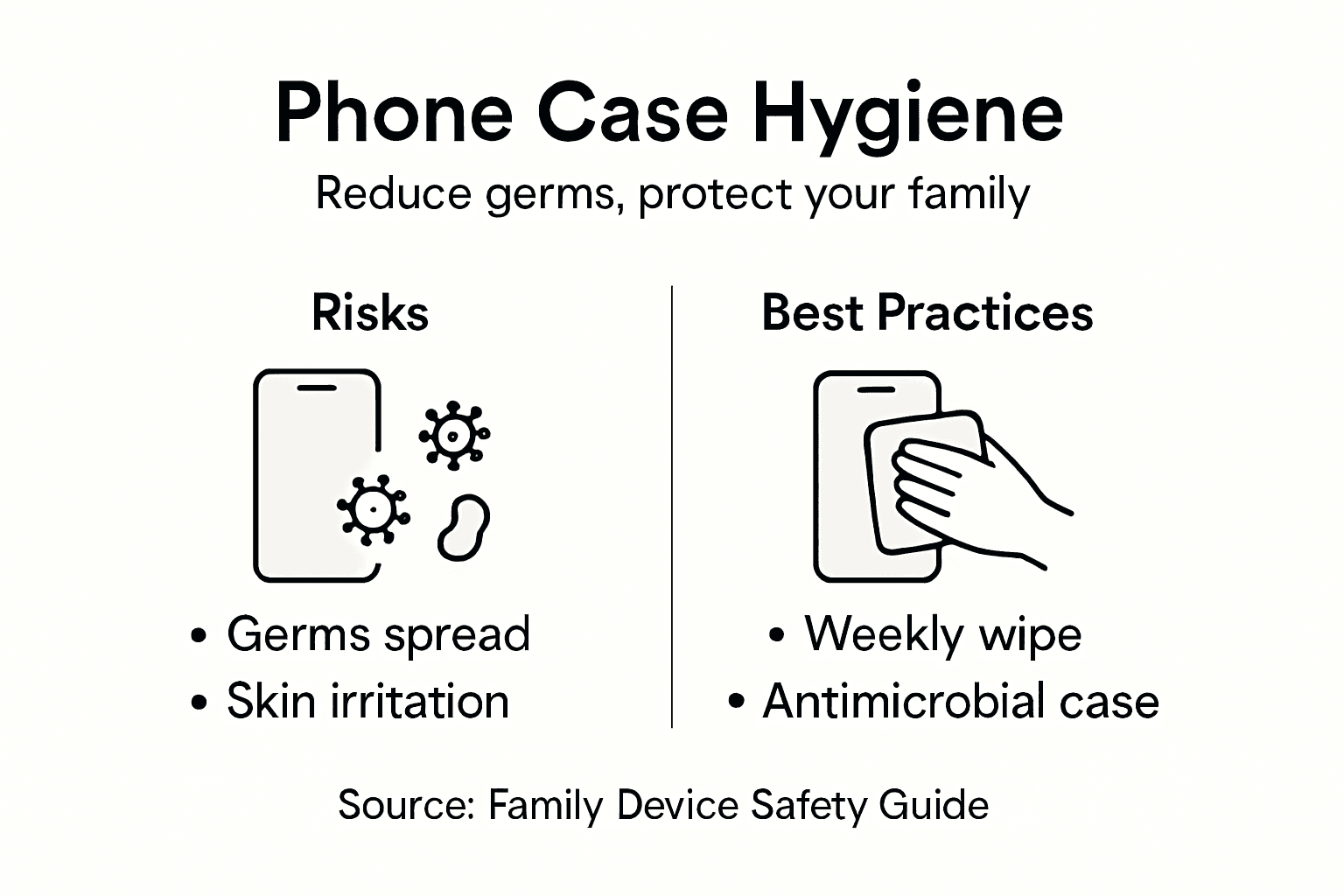
Microbial transmission pathways through phone cases represent a significant yet often overlooked health risk. Continuous handling of devices creates a perfect environment for bacterial proliferation, with phone cases acting as sophisticated reservoirs for microorganisms that can spread between family members, potentially causing dermatological, respiratory, and gastrointestinal infections.
Common hygiene mistakes that increase contamination risks include:
- Infrequent case cleaning
- Using inappropriate cleaning solutions
- Neglecting device sanitisation
- Cleaning only device surface, not case
- Storing devices in unhygienic environments
Cross-contamination mechanisms are particularly concerning in shared family environments. Research suggests that mobile devices can transfer pathogens between individuals, with some microorganisms surviving on surfaces for extended periods. Mobile phone hygiene practices become critical in preventing potential disease transmission.
Consistent device hygiene is not optional; it’s a fundamental health protection strategy for modern families.
Pro tip: Implement a strict weekly device cleaning routine and consider antimicrobial phone cases to minimise infection transmission risks.
UK Safety Regulations and Parental Considerations
Phone case safety in the United Kingdom involves complex regulatory frameworks that parents must carefully navigate. UK product safety regulations mandate comprehensive standards ensuring consumer protection, particularly for devices used by children and families.
Regulatory compliance extends beyond simple manufacturing requirements. Phone cases must meet stringent chemical limit standards under REACH regulations, with specific attention to materials that might come into direct contact with skin. Electronic-enabled cases require additional certifications, creating a multi-layered approach to consumer safety.
Key regulatory considerations for parents include:
- Chemical composition safety
- Material durability standards
- Electronic component certifications
- Age-appropriate design requirements
- Potential cyber security implications
Product security measures become increasingly critical with the evolution of connectable devices. Consumer product security standards now encompass broader safety protocols, addressing potential digital risks alongside physical protection mechanisms for smartphones and accessories.
Parental vigilance remains the ultimate safeguard, complementing existing regulatory frameworks and technological safety features.
Pro tip: Always verify product certifications and read comprehensive safety information before purchasing phone cases for family members.
Enhance Your Family’s Device Hygiene with StudioShake Phone Cases
Keeping your family’s devices clean and protected is more important than ever to prevent microbial transmission. The article highlights key challenges such as frequent device handling, contamination risks from phone cases, and the need for effective hygiene solutions. At StudioShake, we understand your goal to safeguard your loved ones with accessories designed to reduce bacterial and viral spread while offering excellent protection.
Discover our carefully curated £1 Case Collection – StudioShake for affordable, reliable options or explore our specialised iPhone cases crafted with materials focused on durability and hygiene.
Don’t wait to take control of your family’s health through safer device care. Visit StudioShake now to choose from a wide range of phone cases that align perfectly with the hygiene-conscious lifestyle your family deserves.
Frequently Asked Questions
What is the role of phone cases in device hygiene?
Phone cases protect smartphones from physical damage and serve as a critical barrier against microbial transmission by preventing bacteria and viruses from spreading between users, particularly in family environments.
How often should I clean my phone case to ensure device hygiene?
It is recommended to clean your phone case weekly using alcohol-based wipes or appropriate cleaning solutions tailored to the case material to reduce microbial contamination effectively.
What is the difference between standard phone cases and antimicrobial phone cases?
Standard phone cases focus on physical protection, while antimicrobial cases actively inhibit the growth of microorganisms, using specialised materials that provide ongoing hygiene maintenance beyond regular cleaning.
What materials are recommended for hygiene-enhancing phone cases?
Materials such as silver ion-infused polymers, copper composites, and nano-ceramic coatings are effective in repelling microbial growth and maintaining hygiene, providing additional protection for family devices.
Recommended
- Phone Case Maintenance – Protecting Family Devices – StudioShake
- Complete guide to anti-germ phone cases for families – StudioShake
- 7 Types of Anti-Bacterial Phone Cases for Safer Devices – StudioShake
- Effective Phone Cover Cleaning Process for Parents – StudioShake
- how to 3d print phone case – Beginner’s guide with mockups and POD – Bettermockups