

Complete Guide to the Role of Phone Case Materials
Most british smartphone owners assume that a heavier case means better protection, but research shows lightweight materials can be just as effective. With so many materials on the market, finding the right phone case goes far beyond simple looks. Knowing the real differences between silicone, polycarbonate, and hybrid cases can help you choose protection that lasts, avoid common myths, and keep your device safe in everyday life.
Table of Contents
- Phone Case Materials Explained And Common Myths
- Key Phone Case Materials And Their Differences
- How Materials Affect Durability And Protection
- Practical Benefits And Drawbacks Of Each Material
- Choosing The Right Phone Case Material For You
Key Takeaways
| Point | Details |
|---|---|
| Material Selection Matters | The choice of phone case material significantly impacts protection, durability, and usability, hence users should align their selection with individual lifestyle needs. |
| Common Myths | Many misconceptions exist regarding phone cases, including the belief that heavier cases offer better protection; lightweight materials can also provide robust defence. |
| Benefits of Different Materials | Each material, from silicone to polycarbonate and TPU, offers distinct advantages such as shock absorption, grip, and aesthetic appeal, making informed selection crucial. |
| Practical Considerations | Factors such as weight, texture, and compatibility with wireless charging must be evaluated alongside protection needs to ensure an optimal user experience. |
Phone Case Materials Explained and Common Myths
Choosing the right phone case material isn’t just about aesthetics - it’s a critical decision that impacts your device’s protection, durability, and daily usability. Different materials offer unique characteristics that can dramatically influence how well your smartphone survives accidental drops, scratches, and everyday wear and tear.
Understanding the core phone case materials reveals fascinating insights. Silicone cases provide excellent shock absorption and flexibility, making them ideal for those prone to dropping their devices. Polycarbonate offers superior rigidity and scratch resistance, creating a hard shell that maintains your phone’s sleek profile. TPU (Thermoplastic Polyurethane) combines the best of both worlds - offering elasticity and impact protection while remaining relatively lightweight.
Many consumers fall prey to common myths about phone case materials. One prevalent misconception is that heavier cases automatically mean better protection. In reality, innovative engineering means lightweight materials can provide robust defence. Another myth suggests all cases are created equal - but material composition dramatically affects performance.
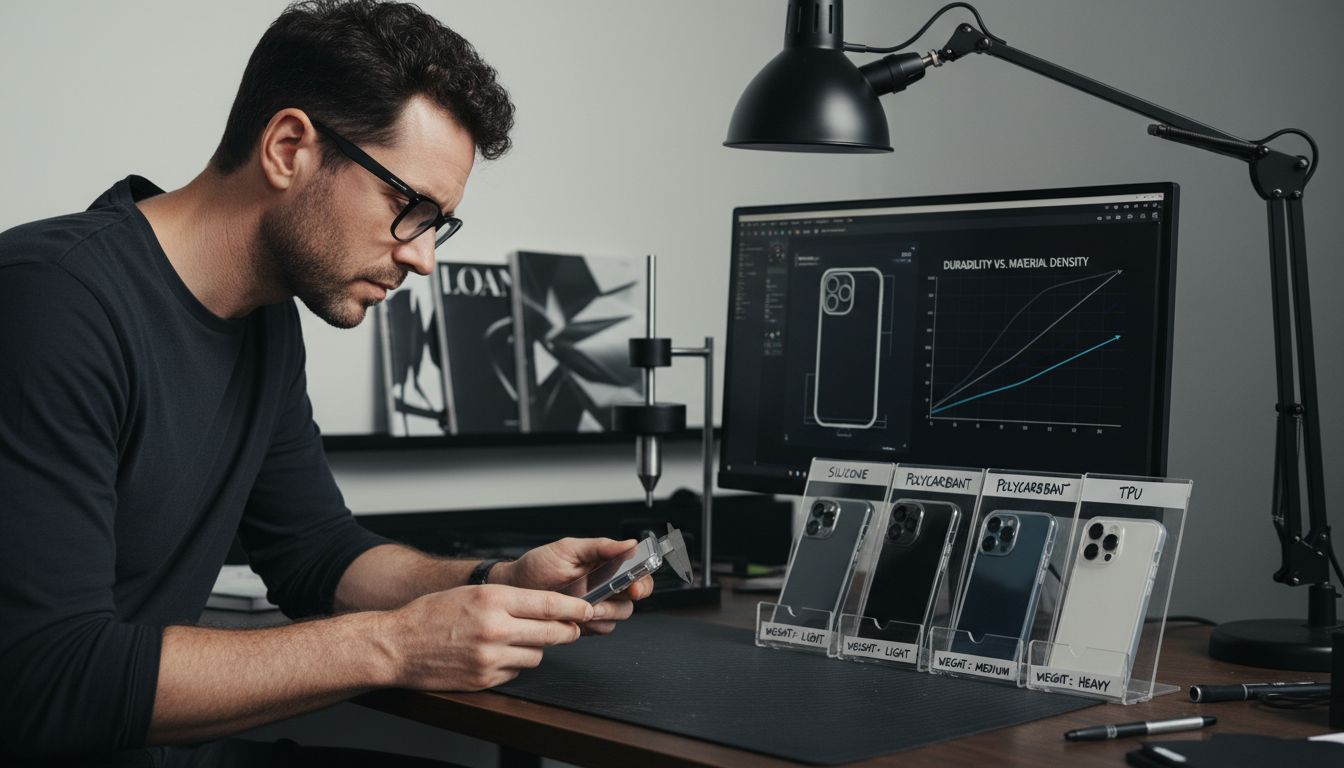 For instance, our guide on phone case materials demonstrates how specific material properties determine protective capabilities.
Beyond protection, material choice influences practical aspects like grip, weight, and aesthetic appeal. Leather cases offer premium sophistication but might compromise impact resistance. Rubber-based materials provide excellent grip but can attract dust and lint. Hybrid materials are emerging as smart solutions, blending multiple material properties to create versatile, high-performance phone cases that adapt to different user needs and environments.
Key Phone Case Materials and Their Differences
Navigating the world of phone case materials can feel like traversing a complex landscape of options, each with unique properties and protective capabilities. Understanding the nuanced differences between materials helps consumers make informed decisions that match their lifestyle, device protection needs, and personal preferences.
The primary phone case materials fall into several distinct categories, each offering specific advantages. Silicone cases represent the flexible champions of protection, absorbing shock and providing excellent grip. Polycarbonate materials bring rigidity and scratch resistance, creating a robust protective shell that maintains a slim profile. Thermoplastic Polyurethane (TPU) emerges as a hybrid hero, combining elasticity with impact protection and remaining lightweight. Parents seeking comprehensive phone case insights might find our guide particularly helpful, especially when considering durability for devices frequently handled by children.
Material performance varies dramatically based on specific engineering techniques. Leather cases offer aesthetic sophistication but potentially compromise impact resistance. Rubber-based materials deliver superior grip but can attract dust and lint. Advanced hybrid materials represent the cutting edge, strategically blending multiple material properties to create versatile cases adapting to diverse user environments and protection requirements.
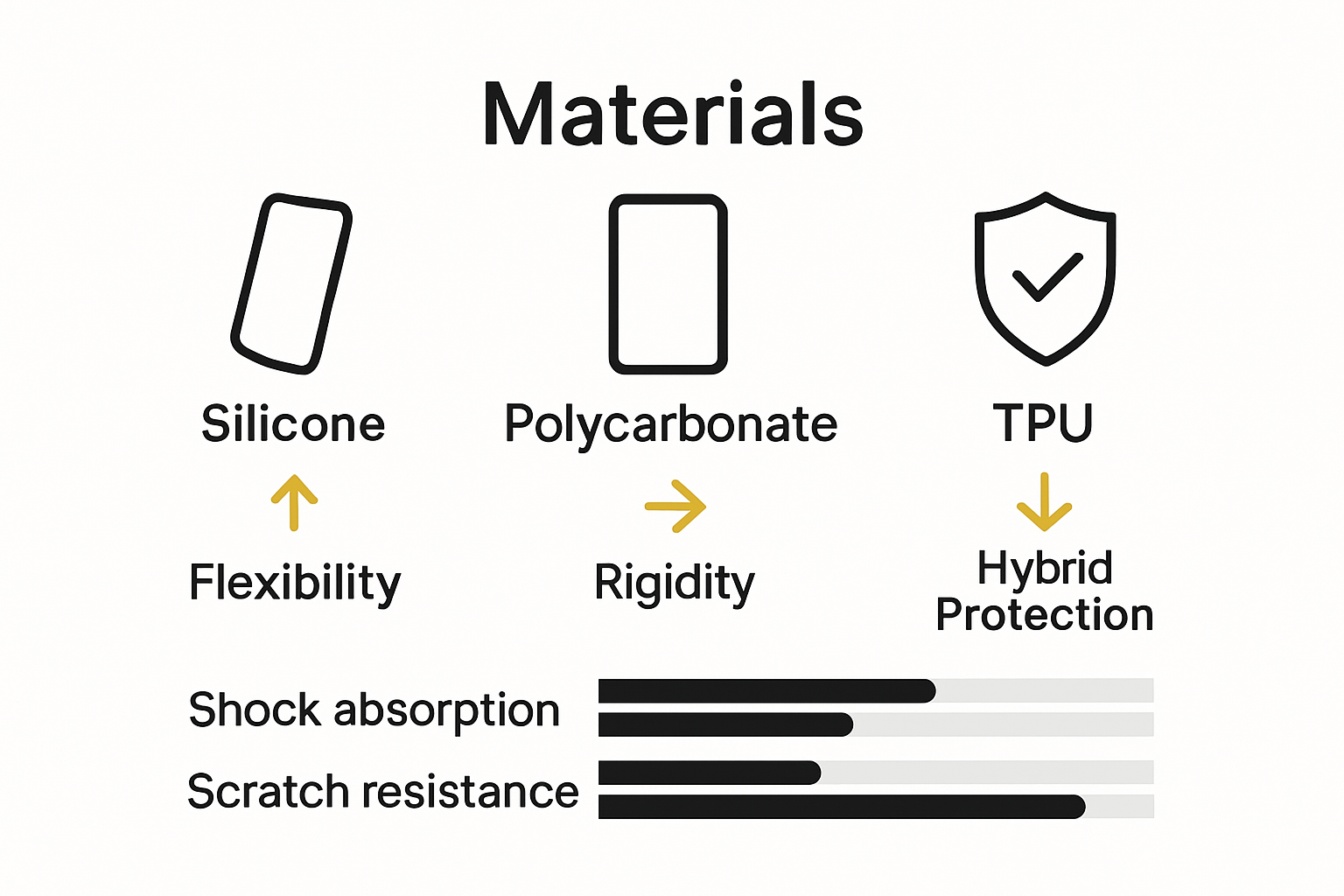
Beyond pure protection, material selection impacts practical user experience. Factors like weight, texture, wireless charging compatibility, and aesthetic appeal play crucial roles. Some materials like hard plastics provide excellent screen and corner protection, while softer materials like silicone offer superior shock absorption. The key is matching material characteristics to individual user needs, ensuring your phone remains both protected and functional in real-world conditions.
How Materials Affect Durability and Protection
Understanding the intricate relationship between phone case materials and their protective capabilities is crucial for anyone seeking reliable device protection. Different materials respond uniquely to physical stress, impact, and environmental challenges, making material selection a critical decision for smartphone owners.
According to Alibaba’s comprehensive product insights, phone case materials significantly vary in their structural integrity and protective performance. Polycarbonate offers exceptional scratch resistance and rigidity, creating a robust protective barrier. Thermoplastic Polyurethane (TPU) provides remarkable shock absorption, effectively dispersing impact energy and minimising potential device damage. Silicone cases deliver superior flexibility, adapting to different impact angles and protecting vulnerable phone edges.
The durability of phone case materials extends beyond immediate impact protection. Factors like material density, molecular structure, and engineering techniques dramatically influence long-term performance. Hybrid materials, combining multiple protective properties, represent the cutting edge of phone case technology. Detailed analysis from Alibaba reveals that advanced material combinations can significantly enhance a case’s ability to withstand repeated drops, scratches, and daily wear.
Beyond pure protection, material selection impacts practical user experience. Some materials like hard plastics provide excellent corner and screen protection, while softer materials offer superior shock absorption. The ultimate goal is matching material characteristics to individual lifestyle needs, ensuring your smartphone remains both protected and functional in real-world conditions. Factors such as weight, texture, wireless charging compatibility, and aesthetic appeal play crucial roles in determining the most suitable phone case material for your specific requirements.
Practical Benefits and Drawbacks of Each Material
Selecting the ideal phone case material requires careful consideration of individual needs, lifestyle factors, and device protection priorities. Each material brings a unique combination of advantages and limitations that can significantly impact your smartphone’s daily protection and overall user experience.
Silicone cases represent a popular choice with distinct practical characteristics. Their primary benefits include exceptional shock absorption, lightweight design, and superior grip. However, silicone materials tend to attract dust and lint, potentially compromising aesthetic appeal over time. Parents seeking durable phone protection might find these nuanced material trade-offs particularly relevant, especially when balancing protection with everyday functionality.
Polycarbonate materials offer a contrasting approach to device protection. Their rigid structure provides excellent scratch resistance and maintains a slim profile, making them ideal for users prioritising aesthetic preservation. The drawbacks include reduced shock absorption compared to softer materials and potential brittleness under extreme impact. Thermoplastic Polyurethane (TPU) emerges as a sophisticated compromise, blending flexibility with robust protection. Its hybrid nature allows for superior impact dispersion while remaining relatively lightweight, though it may compromise on premium visual aesthetics.
Beyond material-specific characteristics, practical selection involves considering broader user requirements. Leather cases deliver sophisticated visual appeal but potentially sacrifice comprehensive impact protection. Rubber-based materials excel in grip but can degrade more quickly under intense usage. The key is matching material properties with individual lifestyle demands - whether that means prioritising drop protection for active users, maintaining a professional appearance for business professionals, or finding a balanced solution for everyday smartphone protection.
Choosing the Right Phone Case Material for You
Selecting the perfect phone case material is a deeply personal decision that reflects individual lifestyle, usage patterns, and protective requirements. Your smartphone is more than just a device - it’s a crucial tool that deserves thoughtful protection tailored to your specific needs and daily experiences.
For families seeking comprehensive protection strategies, understanding your personal risk factors becomes paramount. Active individuals who frequently engage in outdoor activities might prioritise TPU (Thermoplastic Polyurethane) cases, which offer exceptional shock absorption and flexibility. Professionals maintaining a polished appearance could gravitate towards polycarbonate cases, providing a sleek profile with robust scratch resistance. Silicone cases remain ideal for those valuing lightweight grip and basic impact protection.
Beyond material selection, consider practical lifestyle considerations that extend beyond pure protection. Parents managing devices around children might require different protective characteristics compared to young professionals or frequent travellers. Weight, texture, wireless charging compatibility, and aesthetic appeal all play crucial roles in determining the most suitable phone case material. Some users might need multiple cases for different environments - a rugged outdoor case for weekend adventures and a slim, professional option for work settings.
Ultimately, the right phone case material balances protection, practicality, and personal style. Budget considerations also matter, with advanced hybrid materials offering sophisticated protection at varying price points. The key is finding a case that seamlessly integrates into your daily routine, providing peace of mind without compromising the smartphone’s functionality or your personal aesthetic preferences.
Discover Your Ideal Phone Case Material with StudioShake
Choosing the right phone case material can feel overwhelming given the variety of options and the specific protection needs highlighted in the article. Whether you value shock absorption, scratch resistance, or a lightweight protective design, it is important to match your lifestyle with the suitable material to keep your device safe without losing functionality or style. At StudioShake, we understand these challenges and offer a wide collection of phone cases crafted from premium materials tailored to diverse user preferences and protection levels.
Explore our iPhone range to find cases that balance durability with slim profiles or visit our MagSafe collection for seamless charging without compromising protection.
Protect your smartphone confidently today by selecting a case designed with materials engineered for resilience and comfort. Don’t wait until an accident happens to realise the value of the right case. Visit StudioShake now to browse your perfect match and enjoy peace of mind wherever you take your device.
Frequently Asked Questions
What are the main types of phone case materials?
The primary types of phone case materials include silicone, polycarbonate, and thermoplastic polyurethane (TPU). Each material offers different levels of protection, flexibility, and aesthetics.
How do different phone case materials impact protection?
Different materials respond uniquely to impacts, with polycarbonate providing excellent scratch resistance, TPU offering remarkable shock absorption, and silicone delivering superior flexibility. Choosing the right material can significantly affect your device’s durability.
Are heavier phone cases always better for protection?
No, heavier cases do not necessarily mean better protection. Lightweight materials can be engineered to provide robust defence against drops and impacts, sometimes outperforming their heavier counterparts.
What should I consider when choosing a phone case material?
When selecting a case material, consider factors such as your lifestyle, usage patterns, the need for impact protection, aesthetic preferences, and practical aspects like weight and wireless charging compatibility.