

Eco-Friendly Phone Cases – Impact on Family Safety
Nearly 60 percent of British parents now seek eco-friendly options for everyday tech, aiming to shield both their families and the planet from harmful waste. In London, sustainability and child safety guide every purchasing decision, especially when it comes to mobile accessories. Discover what sets truly eco-friendly phone cases apart, empowering you to make choices that reflect your values and protect what matters most.
Table of Contents
- What Makes A Phone Case Eco-Friendly
- Types Of Sustainable Phone Case Materials
- Environmental Benefits For Families In London
- Comparing Costs And Performance To Alternatives
- Safety And Allergy Considerations For Children
Key Takeaways
| Point | Details |
|---|---|
| Eco-Friendly Materials Matter | Choose phone cases made from biodegradable or recycled materials to minimise environmental impact. |
| Beware of Greenwashing | Understand material characteristics to differentiate authentic eco-friendly products from misleading claims. |
| Community Impact is Significant | Selecting sustainable phone cases contributes to urban pollution reduction and promotes healthier living environments. |
| Consider Long-Term Value | Eco-friendly cases may have a higher initial cost, but they offer significant savings on environmental costs and health benefits over time. |
What Makes A Phone Case Eco-Friendly
An eco-friendly phone case transcends traditional plastic protection by embodying sustainable manufacturing principles and environmental consciousness. Sustainable shopping practices demand careful consideration of materials, production methods, and long-term environmental impact.
True eco-friendly phone cases are characterised by several critical attributes. These include being manufactured from natural, non-toxic, or recycled materials that minimise environmental harm. The materials must be biodegradable or easily recyclable, with production processes designed to reduce carbon emissions. Unlike conventional plastic cases that contribute to global waste, sustainable alternatives prioritise responsible sourcing and minimal ecological footprint.
Consumers must be vigilant about distinguishing genuine eco-friendly products from greenwashed alternatives. Avoiding misleading eco claims requires understanding key material characteristics. Authentic eco-friendly cases should demonstrate transparency in their material composition, manufacturing process, and end-of-life disposal options. Look for cases made from materials like:
- Recycled plant-based plastics
- Biodegradable hemp fibres
- Reclaimed ocean plastics
- Organic bamboo composites
- Responsibly sourced wood derivatives
The goal is selecting a phone case that protects both your device and the planet, ensuring minimal environmental compromise.
Pro Tip: When evaluating an eco-friendly phone case, request detailed documentation about its material sourcing and verify its complete lifecycle environmental impact.
Types Of Sustainable Phone Case Materials
Sustainable phone case materials represent a significant advancement in reducing environmental impact while maintaining device protection. Eco-friendly phone case technologies have evolved to offer diverse, innovative solutions that challenge traditional plastic manufacturing.
The landscape of sustainable materials encompasses several groundbreaking options. Plant-based materials like organic hemp, bamboo composites, and bioplastics form the cornerstone of environmentally responsible phone case production. These materials offer remarkable durability while being entirely biodegradable, ensuring minimal long-term ecological damage. Recycled rubber and silicone alternatives provide additional pathways for sustainable manufacturing, transforming waste materials into protective phone accessories.
Manufacturers are increasingly exploring sophisticated material combinations that balance performance and environmental responsibility. Key sustainable materials include:
- Biodegradable Bioplastics: Derived from renewable agricultural sources
- Organic Hemp Fibres: Naturally robust and completely compostable
- Reclaimed Ocean Plastics: Helping clean marine environments
- Bamboo Composite Materials: Rapidly renewable and structurally strong
- Recycled Silicone: Reducing waste through material reprocessing
These innovative materials demonstrate that protective technology can coexist harmoniously with ecological preservation, offering parents peace of mind about both device protection and environmental stewardship.
Here’s a comparison of popular sustainable phone case materials and their unique environmental advantages:
| Material Type | Durability Level | Biodegradability | Environmental Impact |
|---|---|---|---|
| Biodegradable bioplastics | High | Fully biodegradable | Reduces reliance on petroleum |
| Organic hemp fibres | Very robust | Composts naturally | Requires minimal water to grow |
| Reclaimed ocean plastics | Durable | Not biodegradable | Removes plastic from oceans |
| Bamboo composites | Strong | Decomposes rapidly | Fast renewable source |
| Recycled silicone | Flexible/resilient | Limited | Cuts landfill waste |
Pro Tip: Always request detailed material composition information when purchasing an eco-friendly phone case to verify its genuine sustainability credentials.
Environmental Benefits For Families In London
London families are increasingly recognising the profound impact of sustainable choices on urban environmental quality. Urban greening initiatives demonstrate how seemingly small decisions like choosing eco-friendly phone cases can contribute to broader environmental improvements.
By selecting sustainable mobile accessories, London parents directly participate in reducing urban pollution and greenhouse gas emissions. Biodegradable phone cases represent more than just protective equipment for electronic devices; they symbolise a commitment to reducing plastic waste and minimising environmental harm. These choices contribute to lowering carbon footprints and decreasing the city’s overall pollution levels, creating healthier living environments for children and families.
The environmental benefits extend beyond immediate waste reduction. Sustainable product choices support broader ecological goals by:
- Reducing microplastic pollution in urban waterways
- Decreasing greenhouse gas emissions during manufacturing
- Supporting circular economy principles
- Encouraging responsible consumer behaviour
- Minimising long-term environmental degradation
Moreover, eco-friendly product adoption in densely populated areas like London can create cascading positive effects. When families make conscientious choices, they inspire community-wide shifts towards more sustainable consumption patterns, demonstrating that individual actions can collectively drive significant environmental change.
The following table summarises how switching to eco-friendly phone cases can benefit London families:
| Benefit | Community Effect | Long-Term Outcome |
|---|---|---|
| Urban pollution reduction | Cleaner street drains | Improved child health |
| Lower carbon emissions | Greener neighbourhood | Less smog and toxins |
| Circular economy support | Local job creation | Enhanced public awareness |
| Responsible consumerism | Sustainable habits | Stronger future impact |
Pro Tip: Research local recycling programmes that accept biodegradable phone cases to ensure your sustainable choice has maximum environmental impact.
Comparing Costs And Performance To Alternatives
Eco-friendly phone cases represent a nuanced investment that balances environmental responsibility with practical device protection. UK sustainable phone case manufacturing demonstrates that ethical production can deliver competitive performance without compromising quality.
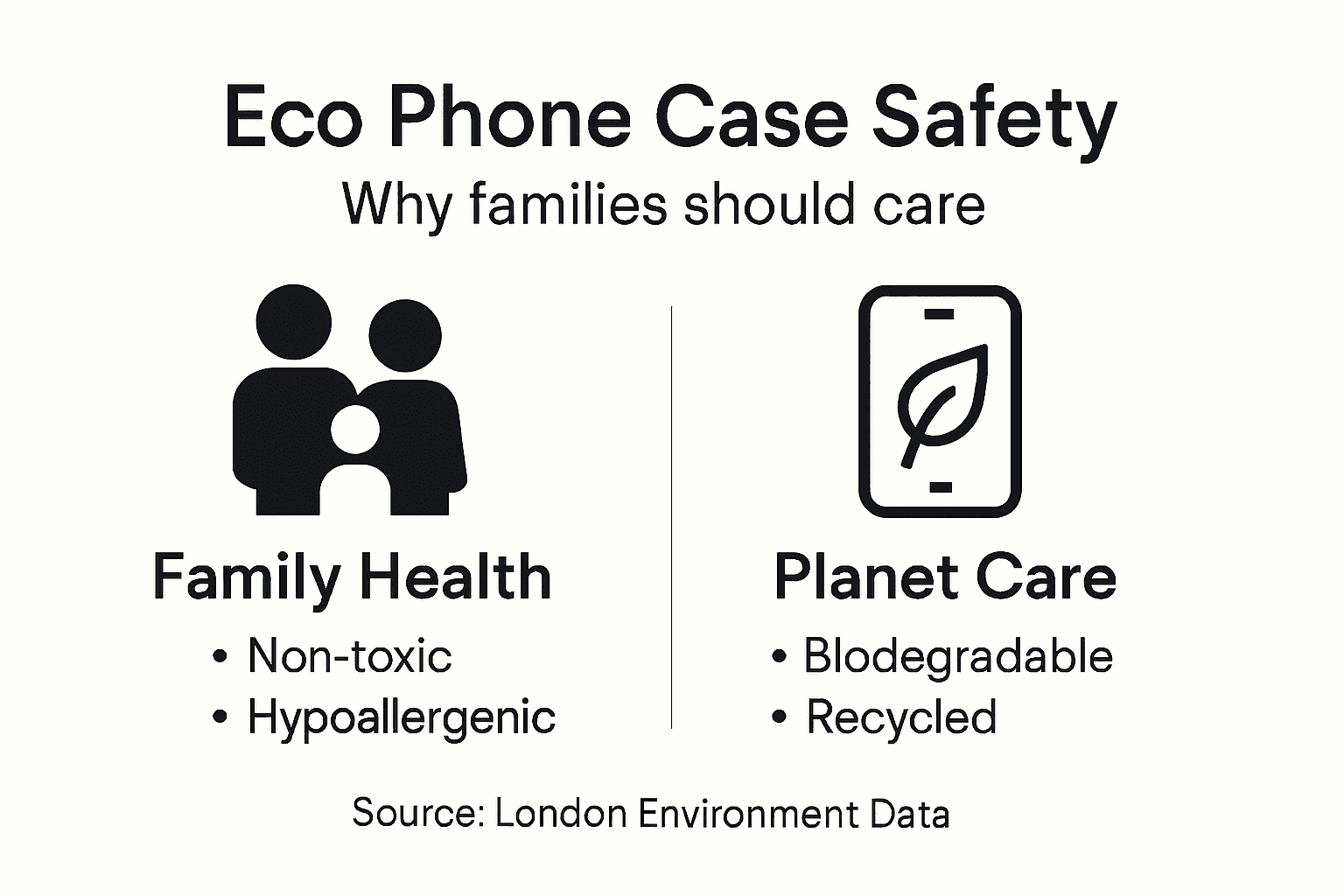
Traditional plastic cases often appear more affordable initially, but sustainable alternatives offer substantial long-term value. The slight price premium for eco-friendly cases reflects advanced manufacturing techniques, ethical labour practices, and reduced environmental impact. These cases typically provide equivalent drop protection, scratch resistance, and device durability compared to standard plastic alternatives, with the added benefit of biodegradability and lower carbon footprints.
A comprehensive cost comparison reveals several key considerations:
- Initial Purchase Price: Slightly higher than conventional cases
- Environmental Cost Savings: Significant reduction in plastic waste
- Durability: Comparable to standard protective cases
- Material Quality: Often superior and more responsibly sourced
- Lifecycle Impact: Lower long-term environmental expenditure
Consumers should evaluate not just the upfront cost but the broader economic and environmental implications of their phone case choices. Sustainable cases represent an investment in both device protection and planetary health, bridging personal technology needs with ecological responsibility.
Pro Tip: Calculate the total lifecycle cost of your phone case, considering environmental impact alongside monetary expense.
Safety And Allergy Considerations For Children
Parents must be vigilant about the potential health risks associated with phone case materials, particularly those involving prolonged skin contact for children. Phone case toxicity concerns extend beyond mere environmental considerations to direct health implications for young users.
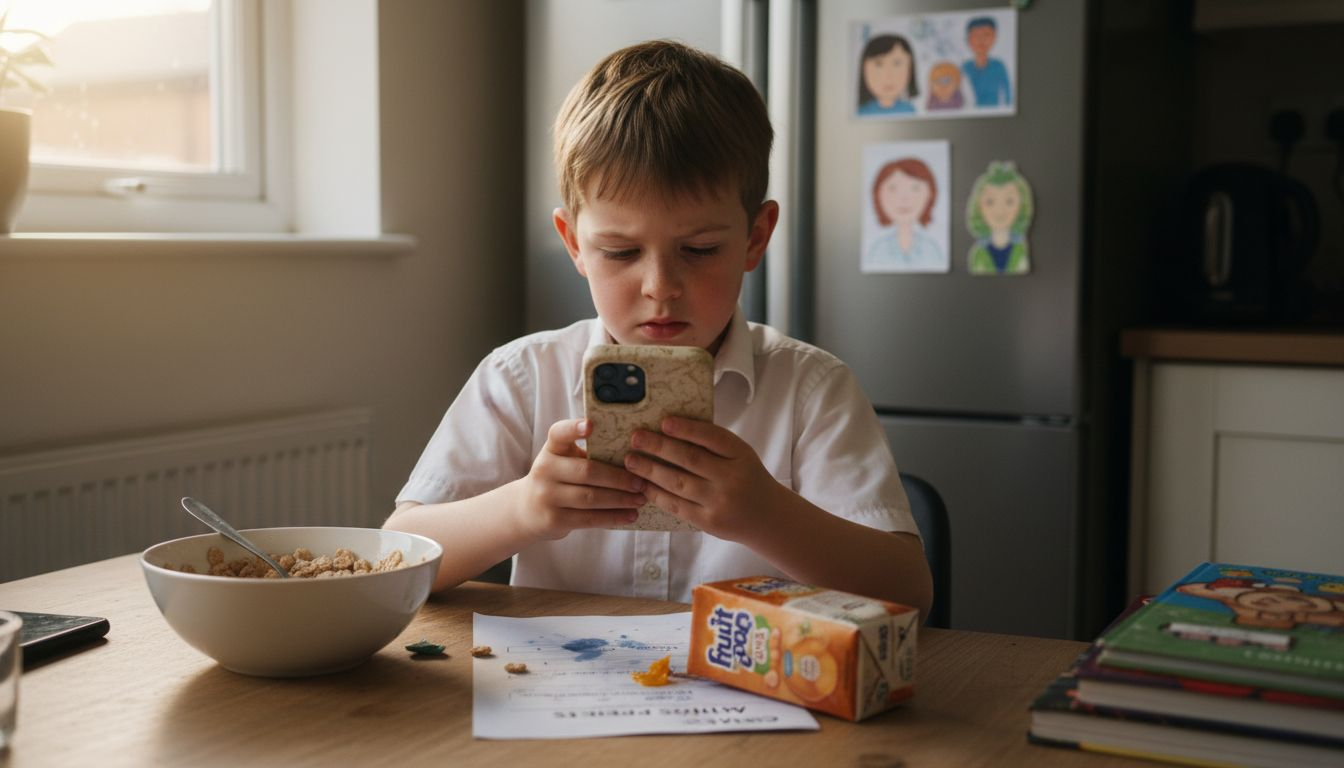
Traditional plastic phone cases often contain harmful chemicals like plasticizers, heavy metals, and volatile organic compounds that can trigger allergic reactions or pose long-term health risks. Eco-friendly alternatives prioritise child safety by utilising plant-based materials, recycled components, and manufacturing processes that minimise toxic exposure. These sustainable cases reduce the potential for skin irritation, allergic responses, and chemical absorption, providing parents with greater peace of mind.
Key safety considerations for selecting child-friendly phone cases include:
- Chemical Composition: Absence of harmful plasticizers
- Allergen Potential: Hypoallergenic material choices
- Skin Contact Safety: Minimal volatile organic compounds
- Certification Standards: Compliance with RoHS and REACH regulations
- Material Transparency: Clear information about ingredient sourcing
Parents should approach phone case selection as a critical health decision, understanding that the materials in direct contact with a child’s skin can have significant physiological implications. Sustainable, carefully manufactured cases offer a proactive approach to minimising potential health risks while maintaining device protection.
Pro Tip: Always request detailed material safety documentation when purchasing phone cases for children, focusing on chemical composition and potential allergen information.
Protect Your Family and The Planet With Eco-Friendly Phone Cases
Choosing an eco-friendly phone case is about more than just protecting your device. It is a vital step towards ensuring the safety and health of your family by avoiding harmful chemicals found in traditional plastics. At StudioShake we understand parents’ concerns about toxin-free, sustainable materials that are gentle on children’s skin while providing strong device protection. Our carefully curated £1 Case Collection – StudioShake offers affordable, responsible options designed with these priorities in mind.
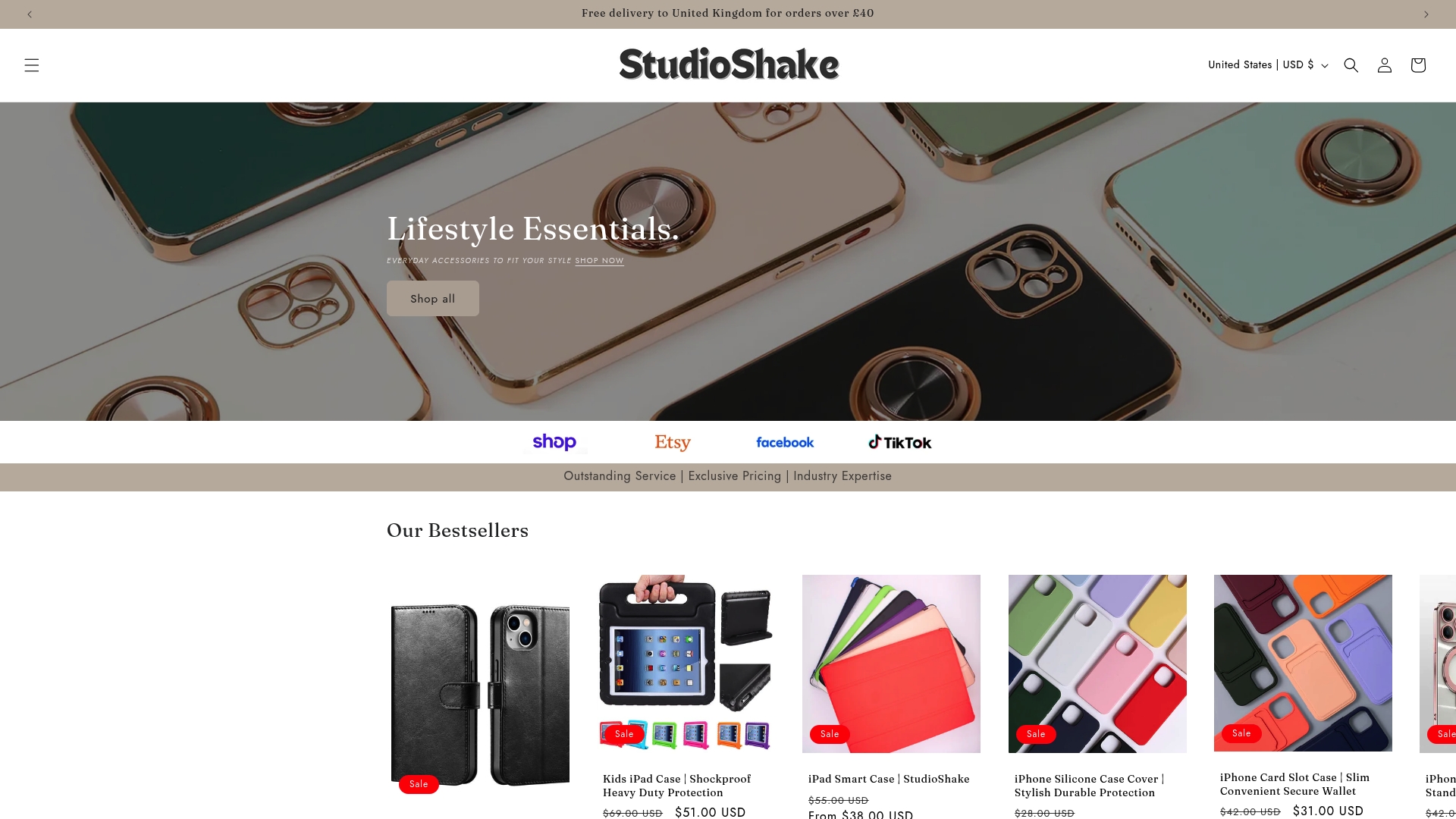
Explore a range of cases that balance durability with environmental responsibility. Act now to reduce your family’s exposure to potential allergens and contribute to a cleaner London environment. Discover more about how your choices make a difference at StudioShake and browse our best sellers in the Total sales by product – StudioShake collection. Make the switch today for peace of mind and lasting protection.
Frequently Asked Questions
What are the benefits of using eco-friendly phone cases for children?
Eco-friendly phone cases are made from non-toxic, plant-based materials that reduce the risk of skin irritation and allergic reactions in children. They prioritize safety and health while providing adequate device protection.
How do eco-friendly phone cases differ from traditional plastic cases in terms of safety?
Eco-friendly phone cases are often free from harmful chemicals like plasticisers and heavy metals found in traditional plastic cases, making them a safer choice for prolonged skin contact, especially for children.
Are biodegradable phone cases durable enough for daily use?
Yes, biodegradable phone cases are designed to offer durability comparable to traditional cases. They provide adequate protection against drops and scratches while being environmentally responsible.
What should parents consider when choosing a phone case for their children?
Parents should consider the chemical composition, allergen potential, skin contact safety, certification standards, and material transparency to ensure the chosen phone case is safe for their child’s use.
Recommended
- 7 Top Phone Case Trends 2025 for Parents and Adults UK – StudioShake
- Complete Guide to Sustainable Phone Cases – StudioShake
- 7 Phone Case Trends 2025 Every London Parent Should Know – StudioShake
- Impact Resistance in Phone Cases – Why It Matters for Families – StudioShake
- Airbus A320 Neo Italy Edition - Elegante Tricolore iPad/EFB-Schutzhüll